
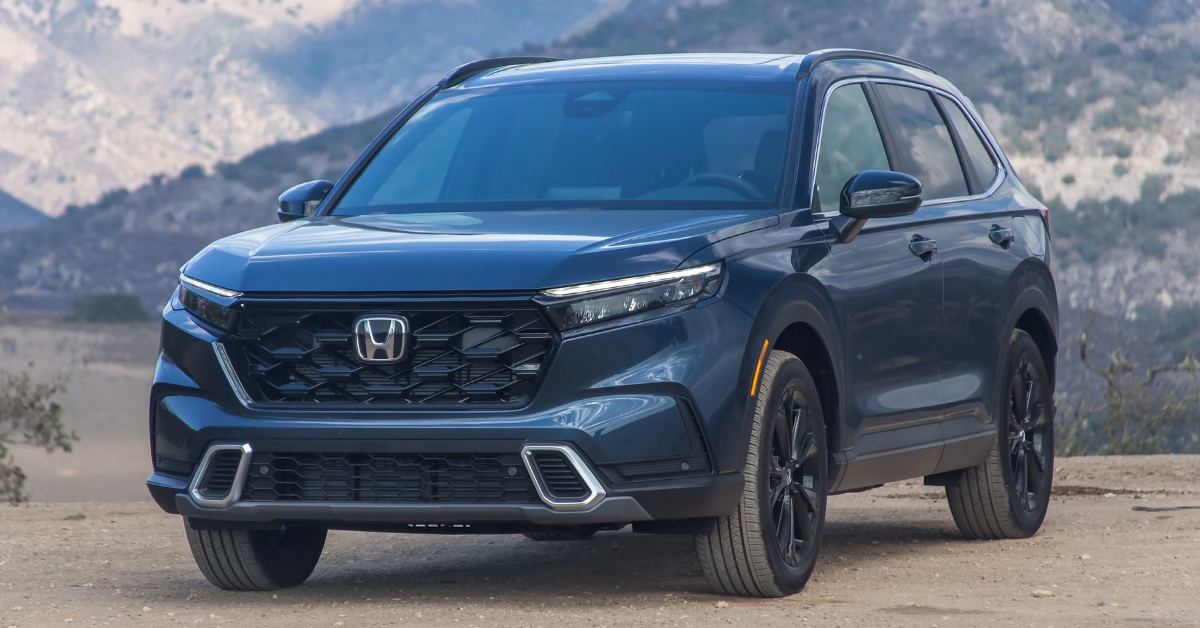
Choosing the right engine for your next vehicle comes down to understanding your driving habits, budget, and priorities. Gas-powered cars offer convenience, long range, and a wide variety of models. Hybrid vehicles combine the efficiency of electric power with the reliability of gasoline, while electric cars provide zero-emission driving and lower daily operating costs. Comparing factors like maintenance, fuel efficiency, insurance, and incentives can help you make a choice that fits your lifestyle and future driving needs.
At Wilson Automotive Group, we are committed to helping drivers across California, Arizona, Nevada, and Mexico find the perfect vehicle for their needs. From new and pre-owned sales to service, parts, and expert guidance, our team is here to assist you every step of the way. Stop by one of our dealerships or contact us today to get personalized advice and find the vehicle that’s right for you.
Which Engine Fits Your Driving Needs?
Choosing the right engine starts with looking at how and where you drive. Your daily trips, long drives, and parking options all matter. Some engines work better for city streets, while others shine on long roads. Here are key points to help you decide between a gas, hybrid, or electric car in 2026:
Gas-Powered Vehicles
- Best for long trips and open roads.
- Wide variety of models to choose from.
- Easy to refuel almost anywhere.
Hybrid Vehicles
- Combines gas and electric power for better fuel efficiency.
- Works well for both city and highway driving.
- Reduces fuel stops without relying fully on charging stations.
Electric Vehicles
- Ideal for city and short daily trips.
- Zero emissions, lower running costs, and quieter drives.
- Charging stations are growing, but range is still limited for long drives.
Think about how far you drive, how often you stop for fuel or charging, and what fits your routine. Your needs will guide your choice more than trends or what is new on the market. This approach makes choosing a car engine type much simpler and helps you get the most out of your vehicle in 2026.
How Gas, Hybrid, and Electric Vehicles Work
Understanding how each type of engine works can make it easier to choose the right vehicle. Gas, hybrid, and electric systems all use different methods to create power. Knowing the basics helps you see the benefits of hybrid and EV 2026 models.
Gas-Powered Vehicles
Gas cars use an internal combustion engine with pistons and fuel injection. Fuel ignites in cylinders to create power that moves the car. Many popular SUVs, like the Honda CR-V, are gas-powered. They are best for drivers who value long range and quick refueling.
Hybrid Vehicles
Hybrid vehicles combine a gas engine with an electric motor for flexible power use. They can run on gas, electricity, or both depending on driving conditions. Regenerative braking helps recharge the battery while you drive. Hybrids offer better fuel efficiency and lower emissions than gas-only vehicles.
Electric Vehicles
Electric cars run entirely on batteries, with no gas engine involved. They produce zero emissions for cleaner city and neighborhood driving. Regenerative braking slows the car while recharging the battery. Daily costs are lower, and maintenance is simpler compared to gas vehicles.
Hybrids and EVs provide many benefits, including fuel savings and eco-friendly performance. Visiting a local dealership can help you see these vehicles in action and learn how each engine works.
Pros and Cons of Each Engine Type
Each type of vehicle engine has its own strengths and trade-offs. Gas, hybrid, and electric options suit different needs, driving habits, and budgets. Here’s a clear look at what each provides.
Gas-Powered Vehicles
Pros:
- Wide variety of models to choose from.
- High top speeds for long trips or highway driving.
- Easy to refuel almost anywhere, making road trips simple.
Cons:
- Produce higher emissions than hybrids or electric vehicles.
- Require more frequent maintenance like oil changes and spark plugs.
Gas cars offer many benefits for drivers who need reliability, speed, and convenience. Knowing these gas car advantages helps explain why they remain popular.
Hybrid Vehicles
Pros:
- Combine gas and electric power for better fuel efficiency.
- Reduce range anxiety compared to fully electric cars.
- Lower emissions than gas-only vehicles.
Cons:
- Maintenance can be more complex because of dual power systems.
- Battery replacement and repairs may be more costly.
Hybrids offer a mix of efficiency and flexibility, making them ideal for both city streets and longer drives. They provide fuel savings, smoother rides, and quieter operation compared to traditional gas vehicles.
Electric Vehicles
Pros:
- Produce zero emissions, making them eco-friendly.
- Lower daily running costs since no gas is needed.
- Quiet, smooth operation with fewer moving parts to maintain.
Cons:
- Charging can take longer than refueling a gas car.
- Limited range may not suit long road trips.
- Higher upfront costs compared to gas or hybrid models.
Electric vehicles are ideal for short commutes and eco-conscious drivers, offering savings over time and a quiet, low-maintenance experience.
Maintenance, Fuel, and Insurance Considerations
Every vehicle type has its own costs to keep it running smoothly. Some engines need more service, while others save on daily expenses. Insurance and fuel also play a big role in overall ownership.
What Maintenance and Fuel Look Like for Gas Cars
- Require regular oil changes, spark plug replacements, and brake pad maintenance.
- Insurance rates are generally moderate.
- Fuel costs can vary depending on gas prices, but most drivers have access to stations everywhere.
- Models like the Honda CR-V are easy to maintain and reliable for long-term use.
How Hybrid Cars Handle Costs and Care
- Need maintenance for both gas and electric systems, which can raise labor costs.
- Battery health is important and may require occasional checks or replacement.
- Insurance is slightly higher than for gas cars due to dual systems and repair costs.
- Hybrids offer better miles per gallon than gas cars, helping reduce fuel expenses.
- The Honda CR-V hybrid shows how efficiency and convenience can work together.
What Owning an Electric Car Means for Maintenance and Fuel
- Minimal maintenance is needed since there are fewer moving parts.
- The battery is the main long-term concern and may be costly to replace.
- Insurance is typically higher because parts and repairs are more expensive.
- Electricity is usually cheaper than gas, but charging stations may be less convenient for long trips.
Looking at service, fuel, and insurance helps drivers see which engine fits their daily routine and budget. Considering how far you drive and how often you need to refuel or charge makes the choice for 2026 easier.
Model Availability, Pricing, and Incentives
When choosing a car, three main factors can guide your decision: availability, cost, and incentives. Some models are easy to find, while others may take longer to order. Understanding these differences helps you plan a smart purchase for 2026.
Availability of Gas, Hybrid, and Electric Vehicles
Gas vehicles are widely available at most dealerships and come in many trims and styles. Popular models, like the Honda CR-V, are often ready to test drive. Hybrid availability is growing, but some trims or models may be limited in certain locations. Electric vehicles are in higher demand, and wait times can vary depending on supply.
Pricing and Long-Term Costs
Gas cars usually have lower upfront prices, making them easier to buy quickly. Hybrids cost more initially, but fuel savings over time add value. Electric vehicles are the most expensive upfront, but lower running costs and simpler maintenance can offset the higher purchase price over time.
Incentives and Extra Benefits
Many hybrids and EVs qualify for tax credits or rebates, which can reduce the effective cost. Hybrids offer fuel efficiency and lower emissions, while EVs provide eco-friendly benefits and advanced technology features. Resources and guides from dealerships can help you compare models, understand incentives, and see what’s available for 2026.
Considering availability, pricing, and incentives helps you pick the engine type that works best for your lifestyle and budget in 2026.
How to Decide Between Gas, Hybrid, and Electric
Deciding which engine fits your needs comes down to understanding your driving habits, budget, and priorities. Different vehicles serve different lifestyles, so it helps to weigh key factors carefully.
- Driving habits – Long trips often suit gas or hybrid engines, while city driving works well with electric cars.
- Budget – Gas cars cost less upfront, hybrids are higher but save on fuel, and EVs have higher purchase prices with lower running costs.
- Environmental impact – Electric vehicles produce no emissions, and hybrids reduce emissions compared to traditional gas cars.
- Maintenance – Gas cars need regular oil and engine care, hybrids require both systems, and EVs have fewer moving parts.
- Availability – Gas cars are widely stocked, hybrids are growing in supply, and EVs may have wait times depending on demand.
- Incentives – Tax credits, rebates, or dealer offers can help reduce costs for hybrids and electric vehicles.
Looking at these factors together makes it easier to see which engine type fits your lifestyle for 2026.
Visiting a Wilson Automotive Group dealership lets you test drive gas, hybrid, and electric options. Contact us or stop by today to find the right vehicle for you.
Frequently Asked Questions: Gas vs. Hybrid vs. Electric
If you’re trying to decide between gas, hybrid, or electric, you probably have questions about which engine suits your driving style, budget, and lifestyle. These FAQs provide clear answers to help you make an informed choice.
What are the main differences between gas, hybrid, and electric engines in 2026?
Gas engines use internal combustion with fuel injected into cylinders. Hybrids combine gas and electric power with regenerative braking. Electric engines run entirely on battery power, producing zero tailpipe emissions.
Which engine type is best for city driving vs long-distance driving?
Electric vehicles are ideal for city driving with shorter trips and easy home charging. Hybrids suit mixed driving and longer trips with better fuel efficiency. Gas cars are best for long-distance driving and performance-focused needs.
How do maintenance and running costs compare among gas, hybrid, and electric cars?
Gas cars require oil changes, spark plugs, and regular tune-ups. Hybrids need maintenance for both systems, which can increase labor costs. Electric vehicles have fewer moving parts, no oil changes, and lower day-to-day running costs, though battery replacement can be expensive.
Are there incentives or tax benefits for hybrid or electric vehicles in 2026?
Many hybrids and electric vehicles qualify for federal or state tax credits, rebates, and dealer promotions that reduce overall purchase costs.
What should I consider about resale value and long-term reliability when choosing between gas, hybrid, or electric?
Gas cars generally have wide availability and stable resale value. Hybrids can hold value well if maintenance is kept up. Electric vehicles have fewer moving parts, which can increase reliability, but battery lifespan and replacement costs can affect long-term value.
Answering these questions can help you feel confident in choosing the engine type that fits your driving needs and budget. Stop by a Wilson Automotive Group dealership to test drive gas, hybrid, and electric vehicles and get personalized guidance for 2026.
Explore Our Vehicle Options and Helpful Guides
Ready to take the next step? Wilson Automotive Group offers a wide selection of vehicles, including the Honda CR-V, for you to test drive and experience different engine types.
If you want to see how drivetrain choices affect performance, check out our guide on Honda CR-V AWD vs. FWD. For families, learning about the safest Toyota model for families can help you pick a car with the right safety features. You can also find tips to protect your Toyota from theft and keep your vehicle secure.
Stop by a Wilson Automotive Group dealership to explore gas, hybrid, and electric options in person. Our team is ready to answer questions, provide guidance, and help you find the perfect vehicle for your lifestyle.
Disclaimer: All information is provided for general informational and entertainment purposes only. While we strive for accuracy, we cannot guarantee that all content is complete, current, or error-free. Any reliance you place on such information is strictly at your own risk. This article may include opinions and is not endorsed by, or officially affiliated with, any vehicle manufacturer or brand. Always consult official sources – such as the vehicle’s owner’s manual, authorized dealerships, or certified professionals – for the most up-to-date and personalized information.