
At Wilson Automotive Group, we are proud to serve drivers across California, Arizona, Nevada, and Mexico with 17 trusted dealerships. From sales to service, parts, and financing, our team is here to support every step of your automotive journey. Whether you’re shopping for a Toyota Camry, a Honda CR-V, or a Ford F-150, or simply need expert maintenance, you can count on us for reliable care and a wide selection of vehicles. Give us a call or contact us today.
Interstate highway signs are more than roadside markers. They are the key to navigating the U.S. interstate highway system safely and confidently. In this guide, we’ll explain what every driver should know about the U.S. highway numbering system, interstate highway system facts, and the signs that shape your daily commute or long-distance trip. By the end, you will have a clear understanding of the design, standards, and modern updates that make the U.S. interstate highways one of the most important networks in the world.
Why Interstate Highway Signs Matter for U.S. Drivers
Driving in the United States depends on clear signs. The U.S. interstate highway system is one of the largest in the world, and it moves millions of people each day. Without signs, even a short trip could become stressful. Signs give order to the road, and they help drivers get where they need to go.
Think about your daily drive. A Camry owner heading to work, a CR-V family on a road trip, or an F-150 driver hauling gear all rely on the same system of signs. Each depends on quick, clear markers to guide the way.
Here are a few reasons why highway signs matter so much:
- Safety: Signs warn of curves, exits, and speed limits.
- Direction: Route numbers and arrows show you where to go.
- Planning: Exit numbers help you judge how far you have left to travel.
- Services: Signs mark gas, food, and rest stops.
These markers keep drivers safe, save time, and reduce stress. They are a quiet but vital part of every trip on the U.S. interstate highways.
Historical Foundations of the U.S. Interstate System
The U.S. interstate highway system did not appear by chance. It was built with a plan that shaped how we travel today. Many drivers know the signs, but few know the story behind them. Learning a few interstate highway system facts helps explain why the roads look the way they do.
The system began in 1956 with the Federal-Aid Highway Act. President Dwight D. Eisenhower led the push after seeing the German autobahn in World War II. He wanted a network that would move troops fast, boost trade, and connect the nation.
Here are a few key points about its early design:
- Built for defense: Some roads could serve as airstrips if needed.
- Linked to bases: Many interstates connect to U.S. military sites.
- Planned growth: The roads opened new trade and travel routes across the country.
This plan changed daily life for drivers. It made cross-country trips easier and cut travel times. For a Camry owner today, the same network still offers smooth roads that link cities, towns, and states.
The interstate system was more than a road project. It was a plan for safety, speed, and strength that still serves drivers every day.
Understanding the U.S. Highway Numbering System
The U.S. highway numbering system may look complex at first. In truth, it follows a set of rules that make sense once you know them. These rules guide how U.S. interstate highways are marked, which helps drivers plan trips and avoid wrong turns.
The main rules are simple:
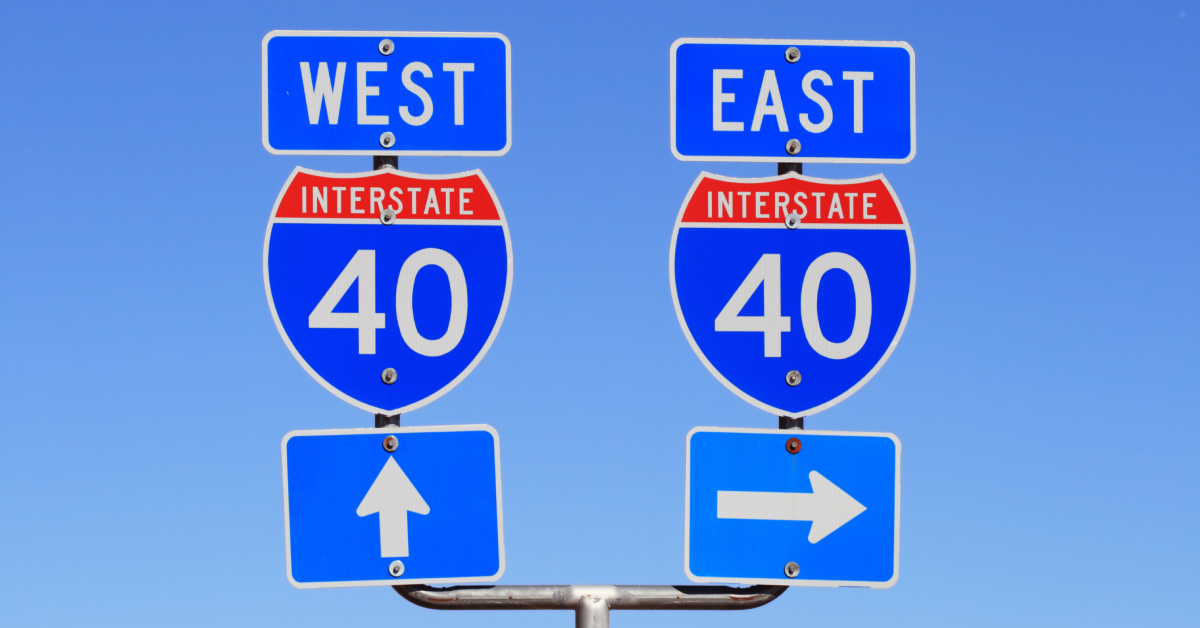
- Even numbers run east to west, such as I-10 or I-40.
- Odd numbers run north to south, such as I-5 or I-95.
- Low numbers are in the south and west.
- High numbers are in the north and east.
There are also three-digit routes. These are built to serve cities and towns:
- If the first digit is even, the road is a loop or bypass.
- If the first digit is odd, the road is a spur that runs into a city.
Exit signs also follow a clear plan. They are based on mile markers, which tell you both the exit number and how far you have driven.
Think of a family in a CR-V heading east from Riverside on I-10. Each exit number shows how many miles they have gone and how far until the next stop. This helps with planning fuel, food, and rest breaks.
By knowing these rules, any driver can read the road with ease. The system turns long trips into clear, simple routes that take the guesswork out of driving.
Design of Interstate Highway Signs
The design of interstate signs is made for speed, safety, and ease of use. Each part of a sign has a clear purpose. Drivers can read them fast, even at highway speeds.
The shield is the most well-known part. It uses red, white, and blue for quick notice and high contrast. The route number is white on blue, so it is clear both day and night.
Exit signs give even more detail. They tell you where to turn, how far to the next stop, and what services are near.
Here are the main features you see on most signs:
- Red, white, and blue shield for routes.
- White numbers on blue for high-speed reading.
- Green exit boards with arrows and mile numbers.
- Service icons for gas, food, and rest stops.
When used with a U.S. interstate system map, the signs give drivers both a big view of the road and step-by-step help along the way.
Picture an F-150 driver hauling tools down I-40. The route shield points the way, the mile signs mark progress, and the service icons show where to stop for fuel.
These signs are built to make sure no trip feels lost or unclear. They let drivers focus on the road, not the guesswork.
Federal Standards and Special Exceptions
The U.S. highway system is built on strict rules. These rules keep roads safe, wide, and smooth for drivers across the nation. Still, not every road meets each rule, and some spots stand out as rare cases.
Federal law sets the main guide for how interstates are built. These rules make sure drivers in all states know what to expect.
Here are a few of the core standards:
- Lane width must be at least 12 feet.
- Wide shoulders are built for safety and stops.
- Entry and exit points are limited and controlled.
- Bridges and ramps are grade-separated to keep traffic moving.
But there are some exceptions. Parts of older roads, like those in West Virginia, were built before the rules were set. They may be more narrow or less smooth. Another rare case is I-19 in Arizona, where signs show distance in kilometers instead of miles.
For the driver of a Camry on a cross-state trip, these rules and rare exceptions shape the feel of the drive. In most places, wide lanes and smooth ramps make the trip safe and calm. In other spots, signs or road size may feel a bit out of place.
Standards and exceptions together show how the system grew. They also show how it still adapts to the needs of drivers today.
Modern Updates to the U.S. Interstate Highway System
The U.S. interstate highway system has been in place for decades, but it is not frozen in time. Roads and signs keep changing to meet the needs of today’s drivers. New tools and designs make trips safer, faster, and more clear.
Recent updates include both tech and design changes:
- Digital boards that post alerts, traffic updates, and Amber Alerts.
- Brighter lane paint that stays clear at night and in the rain.
- LED lights that use less power and last longer.
- Smart road tests in some states with sensors for traffic flow.
These changes are not just for show. They cut down on risk, help with trip planning, and save time on long drives.
Think of an F-150 driver on a long haul across state lines. Clearer signs and better lane marks reduce stress. Digital boards give live info that helps avoid a jam or find a safe stop.
The system has grown from its 1950s roots into a tool for modern travel. Each upgrade helps drivers stay safe while still moving at the pace of life today.
Driving Confidence Across the Southwest
The Southwest is home to wide open roads and busy city routes. Clear signs on U.S. interstate highways help drivers move through both with ease. For many, the trip feels less about stress and more about trust in the road.
A quick look at an interstate highway system map shows just how well linked the region is. Routes like I-10, I-15, and I-40 connect states, cities, and small towns. These paths carry commuters, families, and workers across miles of desert and city sprawl.
Here are a few interstate highway system facts that shape the Southwest:
- Major routes link ports, farms, and trade hubs.
- Long stretches run across wide desert areas.
- Roads serve both daily travel and long road trips.
Think of a Camry driver heading to work in Riverside. The same signs guide a CR-V family on a trip to Arizona. Both can count on markers, mile signs, and clear exits to guide the way.
Good signs give more than direction. They build trust. They let drivers plan stops, check distance, and move with less stress. In the Southwest, where miles can stretch long, this trust is key to every trip.
Where to Learn More Before Your Next Drive
The U.S. interstate highway system is more than a set of roads. It is a tool that links states, cities, and daily life. Drivers who know how it works can plan smarter trips and feel more at ease on the road.
Learning more before your next drive can make a real difference. A Camry commuter, a CR-V family, or an F-150 driver hauling gear all rely on the same signs. With the right knowledge, each trip becomes safer and less stressful.
Here are a few smart steps before you set out:
- Check maps for your route and exits.
- Plan rest stops, fuel, and meals ahead of time.
- Review signs and numbers so you know what to expect.
- Keep an eye out for digital boards with live updates.
Wilson Automotive Group is here to support you as well. With 17 stores across California, Arizona, Nevada, and Mexico, we help drivers prepare for every stage of the road. From sales and service to parts and advice, our team is here for you.
Knowledge of the road builds trust in the drive. With signs as your guide, every trip, long or short, can feel clear and safe.
FAQs: USA Interstate Highway Signs
Drivers often face signs and symbols on the road that are not always clear. These questions and answers help you understand what to look for before your next trip.
How to understand interstate signs?
Interstate signs are red, white, and blue shields that show the route number.
What signs tell U.S. how far into the highway we are?
Mile markers, small green signs placed along the roadside, show your exact mile on the highway.
What does a guide sign on an Interstate Highway look like?
Guide signs are large green panels with white letters that give directions, exits, and distance information.
What is the difference between interstate and U.S. route signs?
Interstate signs use a red, white, and blue shield, while U.S. route signs are black and white shields.
Do interstate route signs vary from state to state?
The design stays the same nationwide, but placement and size may vary by state.
How to tell the difference between a highway and an interstate?
Interstates are part of the federal system, marked by the shield sign, while highways can be state or local roads with different markers.
These answers give you quick facts to build confidence on the road. Knowing the signs helps you read the interstate system with ease.
Learn More and Visit Our Dealerships
Wilson Automotive Group is ready to help drivers in Prescott, South Coast California, Las Vegas, and Claremont. Stop by to see our wide selection of vehicles, including the Toyota Camry, Honda CR-V, and Ford F-150.
If you want to learn more about how cars help drivers stay safe, check out our guide on how your Toyota detects the speed limit. You can also compare models with our RAV 4 vs. CR-V guide. For tips on keeping your vehicle running smoothly, see our guide on when to add AC refrigerant.
These resources can help you drive smarter and plan trips with confidence. For personalized assistance, contact us or visit any of our locations to see our vehicles in person.
Disclaimer: All information is provided for general informational and entertainment purposes only. While we strive for accuracy, we cannot guarantee that all content is complete, current, or error-free. Any reliance you place on such information is strictly at your own risk. This article may include opinions and is not endorsed by, or officially affiliated with, any vehicle manufacturer or brand. Always consult official sources – such as the vehicle’s owner’s manual, authorized dealerships, or certified professionals – for the most up-to-date and personalized information.